TL;DR
A blocked toilet in Cardiff can often be cleared with a correctly-angled plunger and by resisting the urge to keep flushing, which only risks pushing the obstruction further down the pipe. If water backs up in other fixtures, you hear gurgling elsewhere in the house, or the blockage keeps returning, it's a sign the problem has moved beyond the toilet trap and it's time to get in touch online for professional help.
Safe first steps: correct plunger technique, and why you should stop flushing
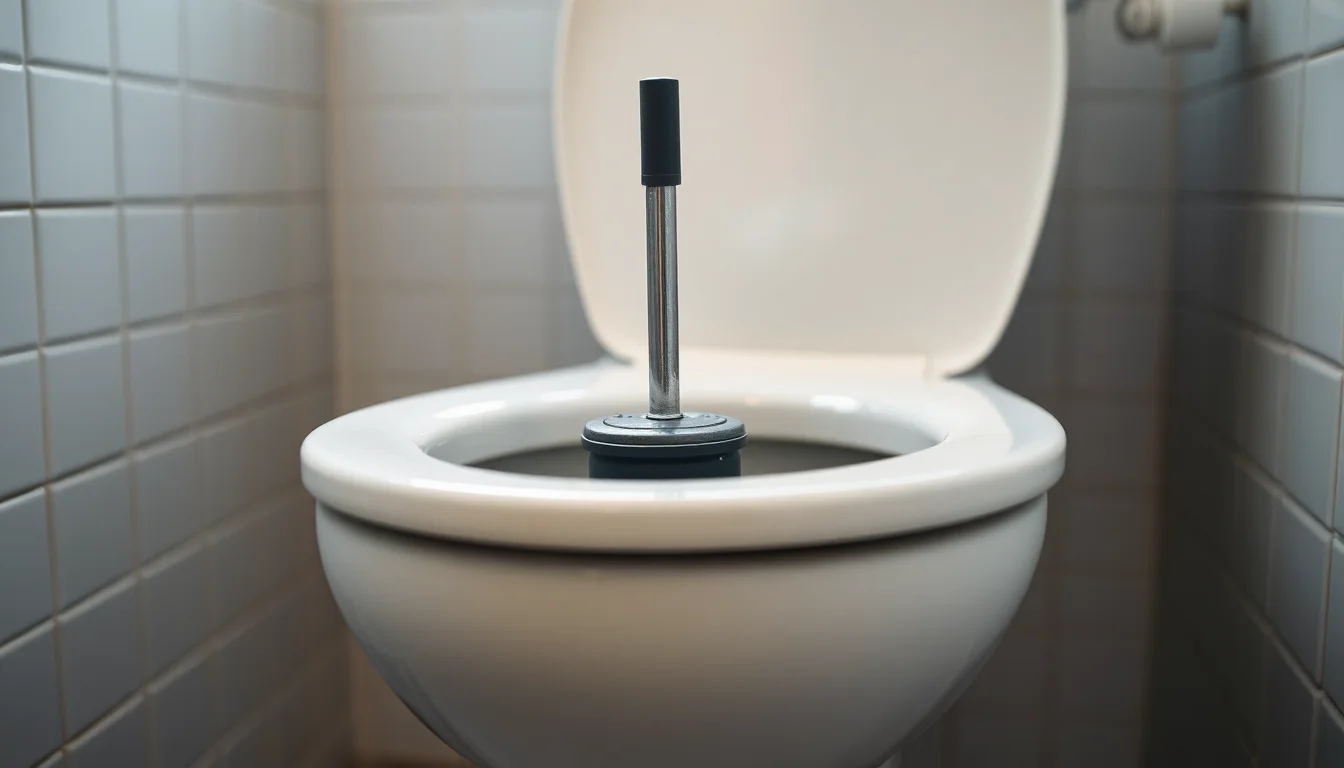
When water rises after a flush instead of draining away, the instinct to flush again can make things worse by pushing the obstruction further into the pipe and increasing the risk of an overflow. Instead, check the cistern is filling normally, then use a flange plunger — the type with an extended rubber lip that seals better around a toilet's outlet than a standard sink plunger.
Position the cup so it fully covers the hole at the bottom of the bowl, tilt it slightly first to release trapped air, then push down firmly and pull up sharply in a steady rhythm — aim for around 10 to 15 strokes while keeping the seal intact. If the water starts to drain, let it settle before testing with a gentle flush. If the bowl stays full or the level rises again, stop. Continued flushing at that point won't help and risks sewage spilling onto the floor.
In Cardiff's older terraced streets — the Victorian rows around Roath, the Edwardian terraces near Llandaff — many homes still run original gravity-fed cisterns that are less forgiving of repeated flushing than modern low-flush systems, so one proper plunge attempt beats several frantic ones.
Common causes: wipes, sanitary items, and toilet paper buildup
Most blockages come down to a handful of repeat offenders. "Flushable" wipes rarely break down quickly enough to clear the tight bends typical of Victorian soil stacks, and they accumulate with toilet paper to form a solid mass. Sanitary products, cotton buds and dental floss behave similarly, catching on pipe joints and building into a stubborn plug over time.
Heavy use of thick, quilted toilet paper can also overwhelm older, lower-flush cisterns common in properties refurbished during the 1970s to 90s, since they simply deliver less water per flush to carry the paper load away. In low-lying streets near the River Taff and River Ely, such as parts of Canton and Grangetown, occasional surface flooding can also push silt into the wider sewer network, reducing capacity and making an otherwise minor household blockage more likely to back up rather than clear on its own.
When the blockage is bigger than the toilet itself
A plunger that clears the bowl but leaves the sink, shower or floor drain still sluggish is a warning sign worth taking seriously. If you hear gurgling from the bath waste when you flush, or notice water rising in a downstairs toilet when someone flushes upstairs, the obstruction is likely further down the main soil stack, or even in a lateral drain shared with a neighbouring property.
In densely terraced areas like Cathays and Pontcanna, houses often share a single vertical stack running through the party wall, so a blockage there can affect every property on the line at once, with several fixtures draining slowly or backing up together. If you spot foul smells outside the bathroom, or standing water near an external inspection chamber close to the kerb, the problem has moved well beyond the toilet trap and into wider blocked drains territory — further plunging at that point risks pushing sewage back into the property rather than clearing it. Our guide to the warning signs of a blocked drain covers what else to look out for.
Why toilets keep backing up, and who's responsible
Recurring blockages usually point to a chronic issue rather than a one-off clog. Common culprits in Cardiff's older housing include fine tree roots working into cracked clay pipe joints, particularly on tree-lined streets in Whitchurch and Llandaff, and settling ground causing a pipe section to sag and create a low point where debris collects.
Responsibility generally follows the property boundary: pipework inside your home and the private drain running out to the boundary is your responsibility as the homeowner, while anything beyond that point — the lateral drain and the public sewer — is Dŵr Cymru Welsh Water's. If several neighbours are experiencing the same symptoms at once, or an inspection chamber shows standing water, the fault is more likely in the public network and worth reporting to Dŵr Cymru directly, since they clear confirmed public-sewer blockages at no cost to the household.
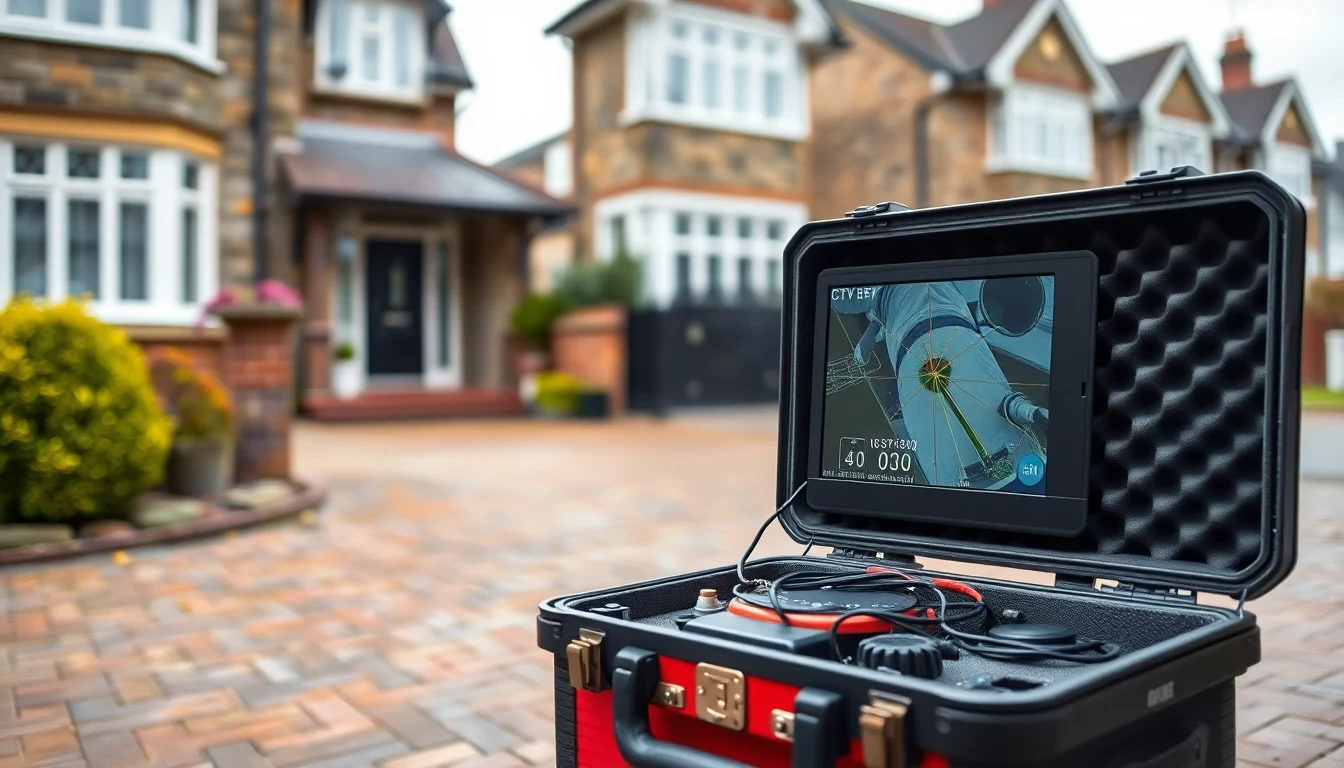
If a toilet clears after plunging only to block again within days, it's worth having a CCTV survey done to check whether the issue actually sits in the private drain or further downstream — our team covers this as part of our wider Cardiff blocked drains service.
Frequently Asked Questions
**Why does my toilet keep getting blocked?** Recurring blockages usually mean something structural rather than a single clog — root intrusion into an old clay pipe joint, a sagging pipe section that collects debris, or a lower-flush cistern that isn't clearing thick paper loads properly. A CCTV drain survey is the most reliable way to find the actual cause rather than repeatedly treating the symptom.
**Why does my toilet keep clogging for no obvious reason?** Even with normal use, an ageing or partially obstructed pipe further down the line can leave just enough restriction that anything beyond a light flush backs up. If plunging clears it each time but it returns within days, the underlying restriction is downstream of the trap and worth having inspected.
**Is a blocked toilet an emergency?** It's an emergency if it's your only toilet, if water is close to overflowing, or if multiple fixtures are affected at once, suggesting a wider blockage. A single blocked toilet that responds to plunging in a multi-bathroom household is generally not urgent, though it's still worth addressing before it becomes one.
**Who is responsible for a blocked toilet, tenant or landlord?** In a rental property, a landlord is generally responsible for blockages caused by the age or condition of the pipework itself, while a tenant is typically responsible for blockages caused by what's been flushed, such as wipes or sanitary products. Tenancy agreements can vary, so it's worth checking the specific terms.
**When should I get a plumber out for a blocked toilet?** It's worth getting in touch if plunging hasn't worked after a reasonable attempt, if water is rising toward the rim, if other fixtures in the house are also affected, or if the same toilet keeps blocking every few weeks despite normal use.