Skip to content
Get a Free Quote · 24/7 Emergency
Emergency Plumber Cardiff 247
Cowbridge, Vale of Glamorgan
Trusted local drainage specialists

Emergency Plumber in Cowbridge

Local emergency plumbers and drainage engineers available 24/7 across Cowbridge and surrounding areas. No call-out fee.

  • Fast response across Cardiff
  • Fixed pricing with no hidden extras
  • Fully insured drainage engineers
  • 24/7 emergency availability
Fast response Fixed pricing Fully insured Local engineers

Request your free quote

Free, no-obligation — we'll call you back fast.

Local response in Cowbridge

We attend homes and businesses across Cowbridge with rapid callout availability and clear fixed pricing.

  • Typical urgent response target: same day
  • Common callouts: blocked sinks, toilets, and outside drains
  • Coverage includes nearby neighbourhoods and links roads

Drainage in Cowbridge

Cowbridge is the market town at the heart of the Vale of Glamorgan — a walled medieval settlement that became a prosperous Georgian coaching town on the road between Cardiff and Bridgend, and which remains one of the most tightly protected conservation areas in South Wales. That heritage is the starting point for every drainage decision here. The town sits on the limestone country of the Vale rather than on the coalfield to the north, so it has no mining legacy at all; what it has instead is a High Street of Georgian and Victorian buildings, many of them listed, sitting on drainage that has been extended and patched for two hundred years and can very rarely be dug up without consequence.

The High Street is the most demanding drainage environment in the town. The historic burgage plots behind the frontages produce long, narrow rear yards and gardens, and the drainage follows them — extended runs from the back of a property out to the sewer, frequently shared between neighbouring buildings and modified every time a kitchen, bathroom or rear extension was added over the past two centuries. Original clay, later clay, occasional stretches of old stone channel and modern plastic can all appear in the same run. Mapping the actual layout with a camera before planning any work is not a luxury on the High Street; it is the only way to avoid unpleasant surprises, and it is essential where the fabric above is protected.

Geology gives Cowbridge a distinctive character. The Vale's limestone is naturally free-draining in many places, which is generally helpful, but it also means rock at shallow depth in parts of the town, springs and seasonal water movement through fissures, and excavation costs that rise steeply as soon as a dig goes below a metre or so. All of this argues for no-dig structural relining wherever a run can be repaired rather than replaced — it preserves the pipe route, avoids opening up a protected street or a walled garden, and is usually completed in a single day.

The River Thaw runs past the town through Llanblethian on its way down the Vale, and it is the main watercourse to consider for any property on the lower ground. It is a modest river draining a modest Vale catchment rather than an upland one, but sustained rainfall across the Vale still raises levels, and property in the valley bottom has a higher water table year round, which shortens the life of any drainage sitting in permanently damp ground. Natural Resources Wales publishes flood maps for the Thaw, and Dwr Cymru Welsh Water is responsible for the public sewer network beyond the property boundary.

Llanblethian and Aberthin add rural stone-built property with drainage of considerable age and, in outlying locations, private systems such as septic tanks and small treatment plants that need periodic emptying and inspection on a schedule of their own. Mature hedgerows and specimen trees around these older properties make root ingress the single most common cause of the repeat blockages we attend outside the town centre. At the other end of the range, the modern estates on Cowbridge's edges use plastic drainage in generally good order, though their extra hard standing adds surface water into a network built for a much smaller town.

Georgian town centre, conservation constraints, limestone geology, a Vale river valley and outlying rural property: Cowbridge's drainage needs a light touch and accurate information rather than heavy machinery. Every job is quoted at a fixed price in writing before work begins, with no call-out fee.

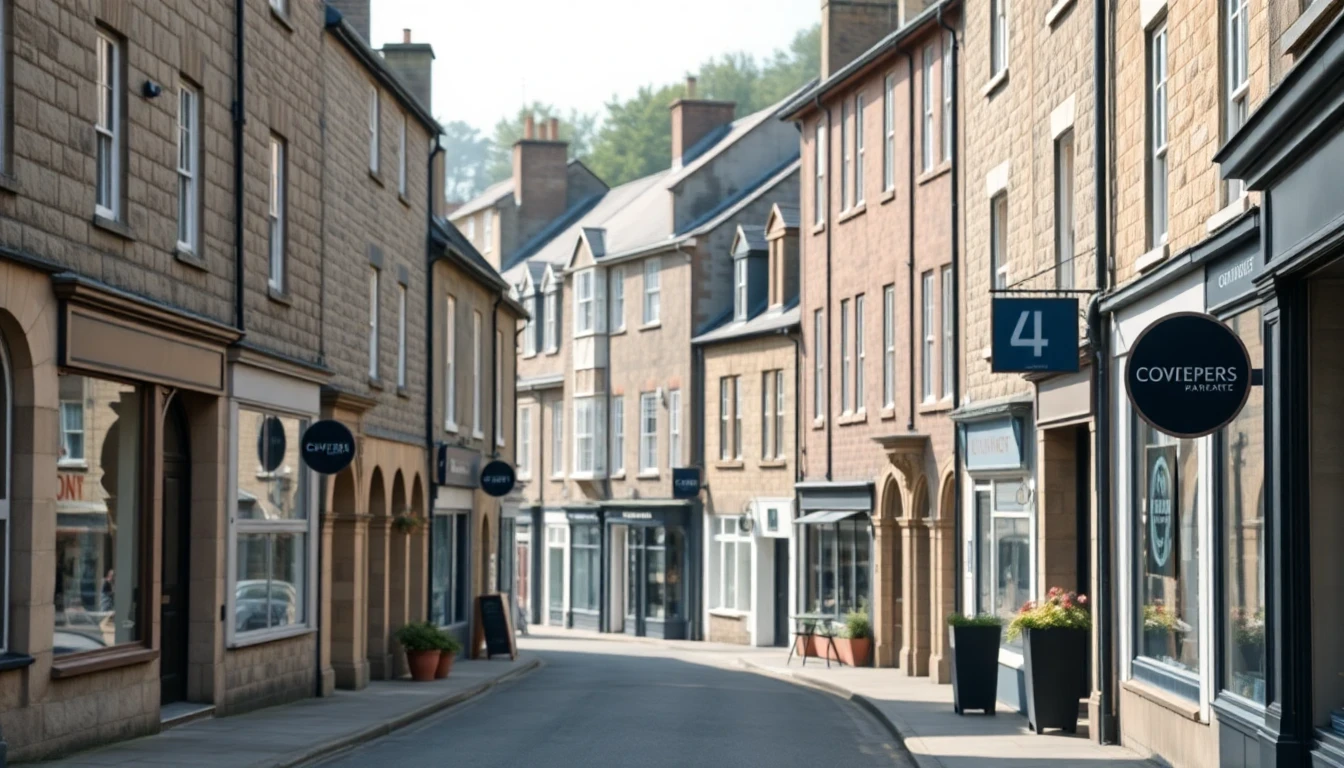
Areas and landmarks we serve near Cowbridge

Cowbridge High Streetthe medieval South GateCowbridge town wallsHoly Cross Churchthe Physic GardenLlanblethianSt Quentin's CastleAberthinthe River ThawOld Beaupre Castlethe Vale of Glamorgan countryside

Recent case study in Cowbridge

Call-out to a Georgian property on Cowbridge High Street: the owner reported drainage that had slowed over several months and an external chamber in the rear yard that stood full after any heavy rain. The building is listed and the long rear plot is laid to a walled garden, so excavation was very much the last resort. Our CCTV survey mapped a 24-metre run from the back of the building down the plot to the sewer — considerably longer than the owner expected, and shared for its final third with the neighbouring property. It showed root ingress from a mature garden tree at two joints, one reducing the bore by roughly half, and a short section of old clay that had cracked longitudinally where the run passed under a garden path. We cleared the roots with staged jetting, re-surveyed to confirm bore, then relined 10 metres to bridge both root entry points and the cracked section in one continuous liner, working entirely from the existing chambers. The neighbour contributed to the shared portion. Result: normal flow restored with no excavation, no disturbance to the walled garden or the listed fabric, and a 10-year warranty on the liner. Tip: on Cowbridge High Street, assume your drainage run is longer and more shared than you think — find out with a camera before you plan any building work.

Cowbridge drainage FAQs

What drainage issues affect Cowbridge's Georgian High Street properties?

The historic plots behind the High Street frontages produce long, narrow rear yards, so drainage runs are unusually long and are frequently shared between neighbouring buildings. Two hundred years of additions mean a single run can contain original clay, later clay, old stone channel and modern plastic, with connections nobody has recorded. The practical consequence is that a blockage is often nowhere near the property reporting it. A CCTV survey that maps the true route and grades the pipe condition is the sensible first step, particularly before any building work on a listed or conservation-area property.

Is there flood risk near the River Thaw?

The Thaw drains a Vale of Glamorgan catchment rather than an upland one, so it behaves more gently than the Valleys rivers to the north, but property on the low ground near the river at Llanblethian and below the town still needs checking. Sustained rain across the Vale raises levels, and valley-bottom ground carries a higher water table all year, which shortens the life of drainage sitting permanently in damp ground. Natural Resources Wales publishes flood maps for the Thaw, and keeping surface drains and any soakaway clear is the most useful routine measure.

Does Cowbridge's conservation area status affect drainage work?

It affects how the work is done rather than whether it can be done. Excavating in a protected street, a walled garden or the curtilage of a listed building is disruptive, sometimes restricted, and expensive to reinstate properly — and the Vale's limestone means rock is often close to the surface as well. No-dig structural relining resolves most cracks, displaced joints and root damage from an existing access point with no excavation, preserving both the historic fabric and the original pipe route. Where excavation genuinely cannot be avoided, it is worth agreeing reinstatement details before work starts.

Get a Free Quote Contact