Drainage in Cardiff
Cardiff drains are among the most varied and complex in South Wales, shaped by a city that has grown continuously since Roman times and whose housing stock spans seven distinct eras of construction. Understanding why Cardiff drains block, corrode, or collapse requires understanding the city's geological and architectural layers — and that is exactly the local knowledge our engineers bring to every callout.
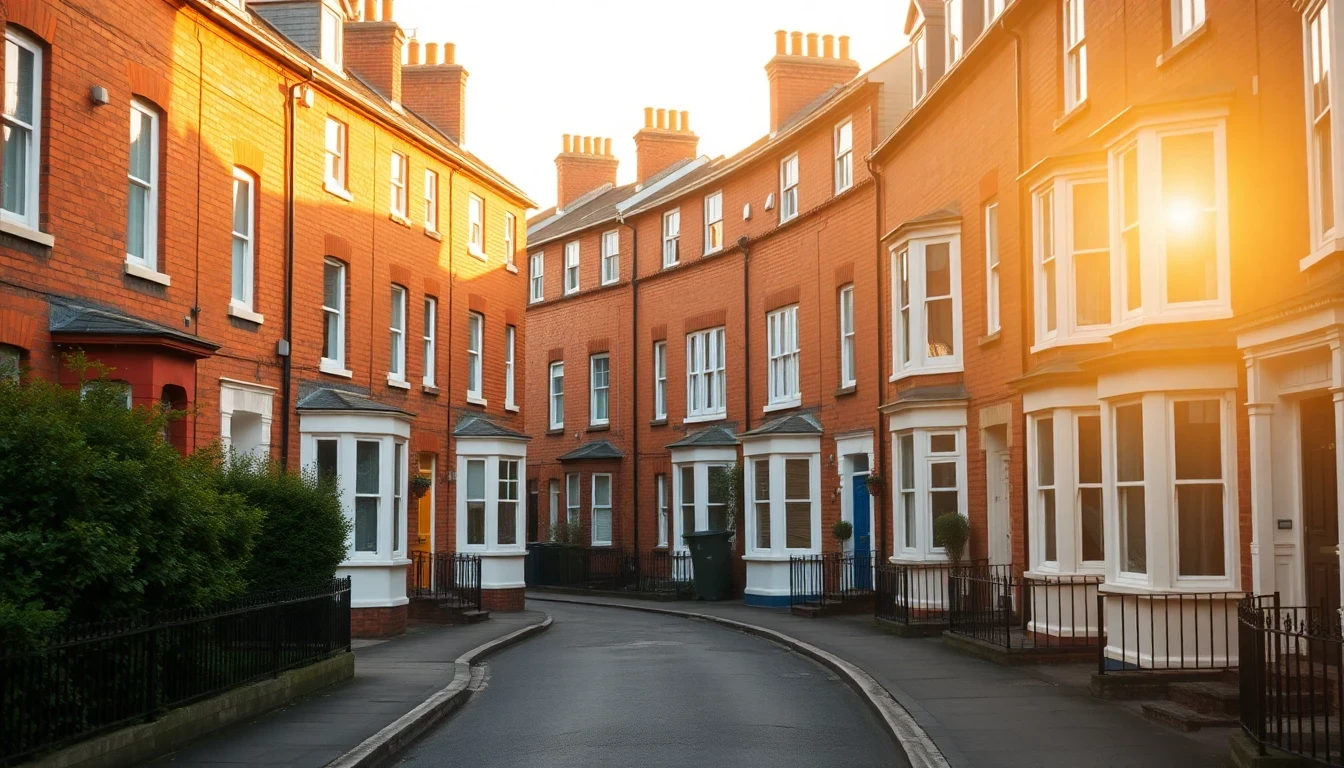
The oldest and most challenging Cardiff drain infrastructure sits beneath the Victorian and Edwardian terraces of Roath, Cathays, and Riverside — areas whose clay drainage networks date from the 1870s to the 1910s. These clay pipes are now over a century old. They were jointed with cement and bedded in whatever subsoil was available, and decades of ground movement, tree-root pressure, and infiltration from the Taff flood plain have taken a toll. Root ingress is particularly severe in CF14 and CF23 — Rhiwbina, Llanishen, and Lisvane — where sandstone subsoil movement has widened pipe joints just enough for the fine roots of mature birch, willow, and sycamore to push through. Once inside, roots colonise rapidly. A Cardiff drain that cleared two years ago may be 40 per cent obstructed today if a root mass is growing unchecked inside it. Fixed-price quoted drain unblocking in Cardiff is important precisely because root-related jobs can escalate unpredictably — you should know your total cost before work begins, not after.
Post-war Cardiff — the estates of Llanishen, Ely, and Fairwater built between the late 1940s and the 1970s — introduced pitch fibre pipes to the city's drainage landscape. Pitch fibre was cheap and quick to install, which made it popular for housing programmes, but it has a limited lifespan. After 40 to 60 years, pitch fibre deforms internally, blistering and losing its circular profile. A blocked drain in an Ely or Fairwater property that fails to respond to normal jetting is often a pitch fibre deformation problem — the pipe has simply narrowed too much for waste to pass freely. Structural pipe relining is the solution, and it can be done without excavation in the majority of cases. Modern Cardiff developments — Pontprennau, Lisvane, and Cardiff Bay's regenerated waterfront — use plastic drainage that performs well but is not immune to issues. FOG (fats, oils, and grease) accumulation in the restaurant-dense areas around Cardiff Bay and the city centre creates persistent blockages that require regular jetting to manage.
Cardiff's Taff flood plain is a defining factor for a wide band of the city. Properties in Pontcanna, Riverside, Canton, and Grangetown sit in the river's historic floodplain. The ground here holds water, and during heavy rainfall the combined sewer network — carrying both foul water and surface water in the same pipes — can be overwhelmed. Backing-up through ground-floor toilets and sinks during intense rain is a known pattern in lower-lying parts of the city. Non-return valves installed on the main drain connection provide effective protection. Beyond flooding, the Taff floodplain's alluvial soils create variable ground conditions — drainage pipes can pass through significantly different soil densities within a few metres, creating localised settlement and stress on pipe joints. Our engineers have the ground knowledge to anticipate these transition zones and specify repairs that accommodate soil variability rather than fighting it.
Whether you need emergency Cardiff drain unblocking, a CCTV survey before purchasing a period terrace, or a long-term relining programme for a Cathays HMO, our Cardiff drainage team provides fixed pricing quoted in writing before work begins, no call-out fee, and local knowledge built from years of working across every CF postcode in the city.