TL;DR
A commercial drainage survey gives landlords and property managers a clear picture of hidden pipework issues before they turn into an out-of-hours emergency — particularly relevant in Cardiff's older commercial buildings and hospitality units. Combining planned maintenance with targeted CCTV inspections keeps drains flowing, satisfies Dŵr Cymru Welsh Water's requirements, and protects the value of a rented property. Get in touch online if you manage a commercial or rented property in Cardiff and want a survey scheduled.
Planned maintenance versus reactive drainage
Across Cardiff's mix of Victorian terraces converted to commercial use, Edwardian rows, and newer developments around Cardiff Bay, drainage systems age at very different rates depending on how they were built and what's running through them. Reactive drainage — waiting for a blockage or a foul smell before acting — tends to mean emergency call-outs, disrupted tenants, and a higher repair bill than the same fault would have cost to catch early, particularly when a collapsed pipe floods a ground-floor unit or backs up a commercial kitchen mid-service.
Planned maintenance shifts the emphasis to routine checks, scheduled desilting and commercial jetting, and small repairs carried out before they become urgent. For a landlord managing several properties across the city, a scheduled programme means more predictable budgets, fewer void periods caused by drainage failures, and a documented record that demonstrates proper management if Dŵr Cymru Welsh Water ever asks for evidence relating to a property's sewerage connection.
Grease traps and kitchen drainage for hospitality tenants
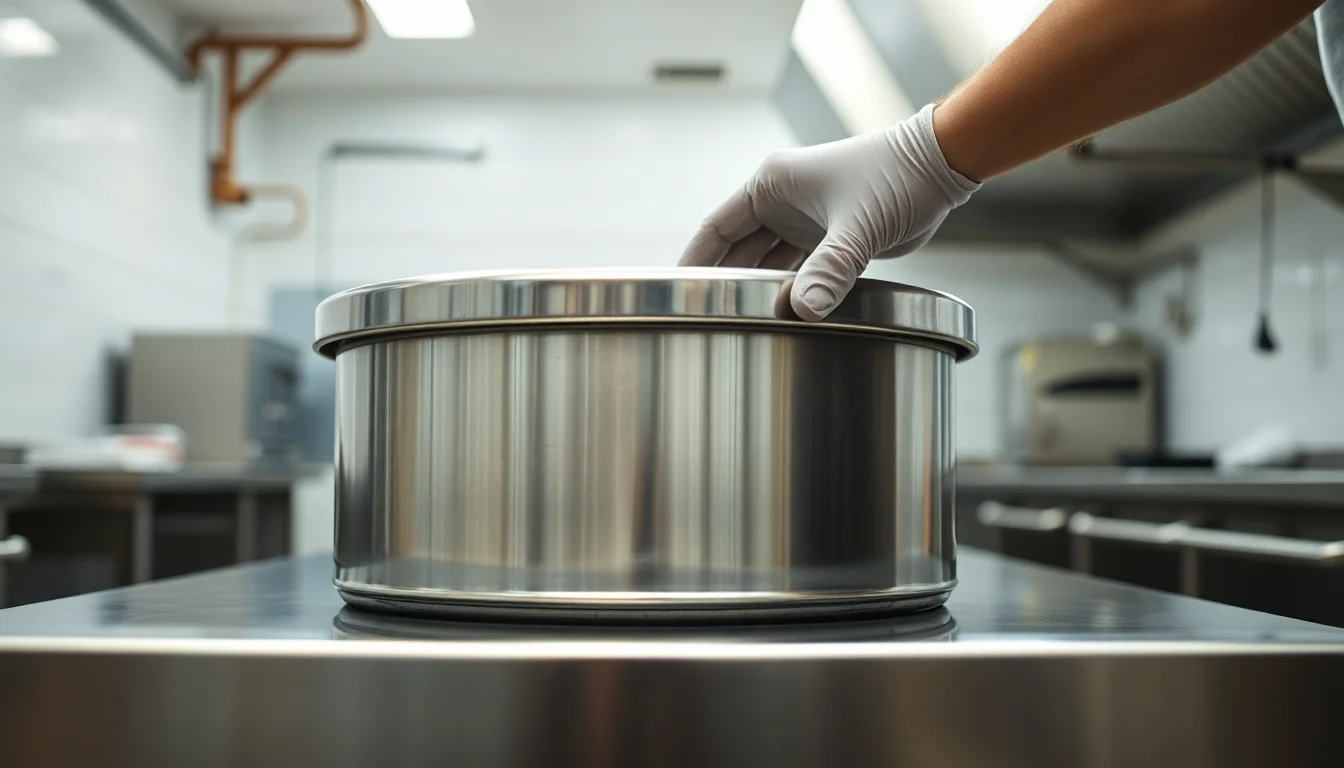
Cardiff's hospitality sector — from the city centre's restaurants and bars to independent cafés spread across the suburbs — depends on effective grease management to keep drains working, and it's a core part of our restaurant and hospitality plumbing work. Grease traps intercept fats, oils and grease before they reach the public sewer, reducing the risk of the kind of blockage that can trigger enforcement action from the water authority if it's serious or repeated. In older commercial premises, where pipework may be narrower or have more bends than a purpose-built modern kitchen, fat and grease build up faster, making regular inspection and servicing genuinely necessary rather than a box-ticking exercise.
Kitchen drainage design matters too: adequate fall on the pipework, correct venting, and strainers fitted on sink outlets all help reduce the solids that combine with grease to form the most stubborn clogs. For a landlord letting a commercial kitchen unit, agreeing a servicing schedule that matches the tenant's actual cooking volume protects both the tenant's day-to-day operation and the wider sewer network the building connects into.
A single point of contact across a portfolio
Managing drainage across several sites — a row of converted flats, a mixed-use development, a retail unit — benefits from working with one commercial plumbing provider rather than juggling several. A single point of contact means the same engineers become familiar with each building's layout, know where past repairs were carried out, and can anticipate issues linked to a property's specific history, such as ground movement near lower-lying sites close to the River Taff or River Ely.
Clear reporting should include a concise summary of the work carried out, any defects found, recommended follow-up action, and a reference that can be filed against the property record. Formatted consistently across a portfolio, this makes it straightforward to compare conditions between properties, prioritise where to spend maintenance budget first, and demonstrate compliance to letting agents or housing associations when asked. It also supports proactive planning — scheduling work during a void period or a quiet trading window rather than mid-tenancy.
When a commercial CCTV drain survey earns its keep
A CCTV drain survey becomes a genuine cost-saving tool the moment a decision hinges on the hidden condition of a building's pipework. This applies particularly to Cardiff properties built before the 1970s, where original clay or pitch-fibre pipe may have suffered root ingress from mature street trees or general age-related deterioration. If a landlord is planning a refurbishment, a change of use, or preparing a portfolio for sale, a survey provides concrete evidence of pipe condition, joint integrity, and any obstructions that could affect future capacity — evidence that's considerably more useful in negotiations than a guess.
The footage also serves as a practical reference point if Dŵr Cymru Welsh Water needs to assess whether a private connection meets adoption standards. Catching a minor issue, such as a slightly offset joint, early means it can be scheduled as a straightforward repair rather than discovered later as a full excavation job.
Frequently Asked Questions
**What is a commercial drainage survey?** It's a CCTV camera inspection of a commercial property's drainage system, used to check pipe condition, identify blockages or defects, and provide documented evidence of the network's state — commonly commissioned before a refurbishment, a change of use, or a portfolio sale.
**How often should a grease trap be serviced?** Servicing frequency depends on the volume and type of cooking a kitchen does — a high-turnover restaurant needs far more frequent attention than a small café. Rather than working to a generic interval, we assess the specific kitchen and agree a schedule that matches actual usage.
**Do landlords need to arrange drain surveys for rental properties?** There's no blanket legal requirement to survey every rental property, but for older buildings, or ahead of a change of tenant, refurbishment or sale, a survey is a sensible way to catch a defect while it's still cheap to fix rather than after it's caused damage or a dispute.
**What's the difference between planned and reactive drainage maintenance?** Reactive maintenance means responding to a blockage or failure after it's already happened, usually at higher cost and with more disruption. Planned maintenance means scheduled inspections and small preventative work carried out before a fault becomes an emergency, which tends to be cheaper and far less disruptive to tenants over time.