TL;DR An outside drain usually blocks at the nearest gully or inspection chamber, and locating that chamber is the first job before doing anything else. Clearing leaves and debris from the grate, then using drain rods on a straightforward single-gully blockage, is safe to try yourself with gloves on. If more than one outside gully is backing up at once, if sewage is overflowing, or if the drain is shared with next door — all common in Cardiff's terraced streets — stop and request a fixed-price quote online rather than keep working on a problem that's beyond a single blocked gully.
Step One: Find the Blocked Chamber Before reaching for rods, work out where the blockage actually is:
- Walk the boundary of the property and check every visible gully — the grated drain outside the kitchen, by the back door, and any manhole covers in the garden, driveway or front path
- Lift manhole covers carefully (a screwdriver or manhole key helps prise them) and check whether the chamber itself is full, or running clear
- Check whether a neighbouring property's gully is also affected — in Cardiff's Victorian and Edwardian terraces, several houses commonly share one drain run underneath the street, so a blockage further down can back up gullies at more than one address
Finding the right chamber first saves a lot of wasted effort rodding the wrong section.
Safe DIY Steps to Try If you've located a single blocked gully and it's not overflowing with sewage:
- Wear gloves and clear leaves, silt and general debris from the grate itself — this alone resolves a lot of outside drain blockages, especially after wet weather
- For a gully that's genuinely just clogged with surface debris, drain rods worked gently through the trap can clear it
- A plunger has very limited use outdoors — it works on a sealed pipe run like an internal waste pipe, not on an open gully with air gaps, so don't expect it to help much here
- Avoid pouring boiling water down an outside drain expecting it to fix a blockage — it does nothing for silt, roots or a structural problem, and on old clay pipework rapid temperature change isn't doing it any favours either
Clear Signs This Is Beyond DIY Stop and get a professional involved if:
- **More than one gully is backing up at the same time** — this points to a blockage in the shared run beyond your own drain, not a local clog you can clear from the surface
- **Sewage is overflowing** rather than just standing water — this is a health hazard and needs prompt, proper clearance
- **The chamber keeps refilling** even after you've cleared visible debris — the obstruction is further down the pipe than rods alone can reliably reach
- **It's a shared drain** serving neighbouring terraced houses — clearing a shared run properly, and identifying whose responsibility it is, isn't a one-household DIY job
Our emergency drain services cover exactly these situations where the problem's escalated beyond a straightforward gully clear.
Whose Responsibility Is an Outside Drain? This trips a lot of people up, and it changed in 2011. Before then, homeowners were responsible for the whole run out to the public sewer. Since the private sewer transfer that year, the rule is different: a drain is only yours to maintain if it lies within your own property boundary **and** serves solely your own house. As soon as either of those stops being true — the pipe crosses your boundary, or it's shared with next door — responsibility moves to the water and sewerage company, which for Cardiff is Dŵr Cymru Welsh Water.
That matters a lot on Cardiff's terraced streets, where a whole row of houses was often built onto a single drain run. A shared drain like that — even the section still running under your own garden — is Dŵr Cymru Welsh Water's responsibility, not yours or your neighbours'. The same applies to the lateral drain beyond your boundary that carries flow out to the public sewer, whether or not it's shared: that section belongs to the water company too. Your own responsibility is limited to the pipework within your boundary that serves only your property.
If you're not sure which category your drain falls into, that's worth establishing before repeated attempts to clear it yourself — particularly if a shared or beyond-boundary blockage means it's actually Dŵr Cymru Welsh Water's job to fix, not yours.
Our external drain unblocking service deals with outside gullies and chamber blockages specifically, and our wider blocked drains service covers the rest of the system if the problem turns out to be further in.
FAQ
**Why is my outside drain overflowing?** Usually a blockage further down the run than surface debris — root ingress, silt build-up, or a structural defect in older clay pipework. If clearing the visible grate doesn't fix it, the obstruction is deeper in the system.
**Whose responsibility is a blocked outside drain?** Only the pipework within your own property boundary that serves solely your own house is your responsibility. Once a drain is shared with a neighbouring property, or once it crosses your boundary as a lateral drain heading for the public sewer, responsibility sits with Dŵr Cymru Welsh Water under the rules that transferred private sewers to water companies in 2011.
**Will boiling water unblock an outside drain?** Not reliably. It can help with a very fresh, purely grease-based blockage close to the surface, but it does nothing for silt, root ingress or a structural problem, which is what most stubborn outside drain blockages turn out to be.
**Can I use a plunger on an outside drain?** Not effectively — plungers rely on a sealed system to build pressure, and an open outdoor gully doesn't hold that seal, so a plunger typically won't shift the blockage.
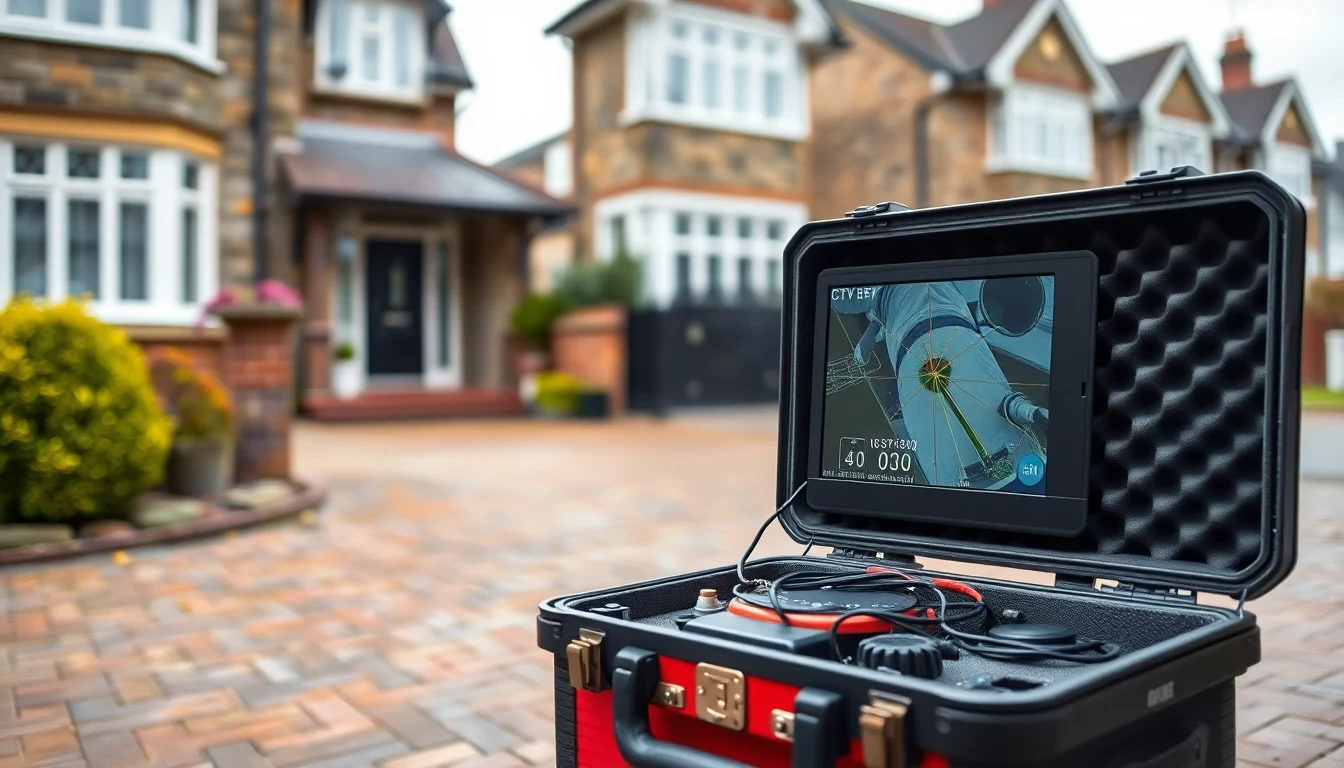
**How do I know if my outside drain is shared with a neighbour?** If your neighbour's gully backs up at the same time as yours, or a manhole in the street between your properties is involved, the drain is very likely shared. A CCTV survey can confirm the exact layout if you need certainty.